Future of Wearable Technology: 7 Amazing Trends The Rise of Wearable Technology Wearable technology has evolved from simple fitness trackers into sophisticated devices that can support communication, entertainment,
Future of Wearable Technology: 7 Amazing Trends
The Rise of Wearable Technology
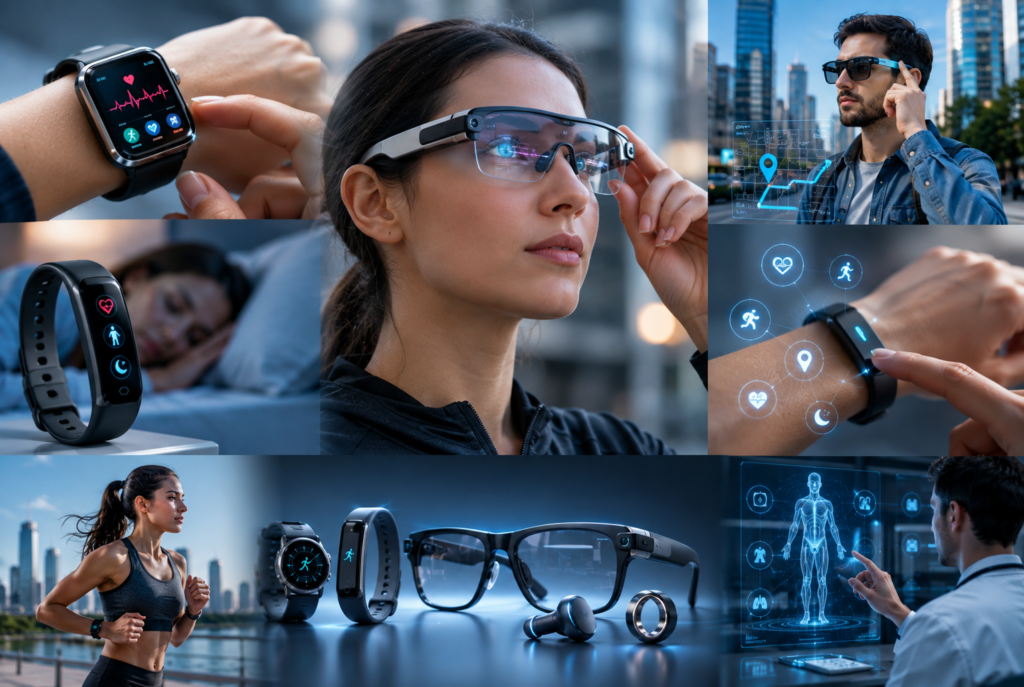
Wearable technology has evolved from simple fitness trackers into sophisticated devices that can support communication, entertainment, productivity, and everyday convenience. Smartwatches, smart glasses, fitness bands, and other connected devices are becoming increasingly integrated into daily life.
Smarter Health and Fitness Tracking
Future wearable devices are expected to provide more detailed insights into physical activity and general wellness. Improved sensors may allow users to monitor various body signals, track exercise more accurately, and receive personalized recommendations based on their activity patterns.
The Growth of Smartwatches
Smartwatches are likely to become even more powerful. Beyond displaying notifications and tracking activity, future models may offer improved communication features, navigation, payment capabilities, and intelligent assistance in a compact device worn on the wrist.
Smart Glasses and Augmented Reality
Smart glasses could become one of the most exciting areas of wearable technology. Instead of constantly looking at a smartphone, users may be able to view navigation directions, notifications, translations, and useful digital information directly within their field of vision.
Wearables and Artificial Intelligence
Artificial intelligence will play an important role in the next generation of wearable devices. AI-powered wearables could understand user preferences, provide personalized assistance, recognize situations, and offer useful information at the right moment.
Seamless Communication
Future wearables may make communication faster and more natural. Voice commands, gesture controls, real-time translation, and improved connectivity could allow people to communicate and access information without repeatedly reaching for their phones.
Fashion Meets Technology
Wearable technology is increasingly becoming part of personal style. Future products may combine advanced electronics with fashionable designs, making smart devices look and feel more like traditional accessories rather than technology products.
Longer Battery Life and Better Design
Battery life remains an important challenge for wearable devices. Future innovations may bring more efficient components, improved charging methods, lighter materials, and more comfortable designs that can be worn throughout the day.
Privacy and Security Challenges
As wearables collect increasing amounts of personal information, privacy and security will become more important. Manufacturers will need strong safeguards to protect user data and give people greater control over what information their devices collect and share.
Wearables in Everyday Life
Wearable technology could eventually become a natural part of everyday activities. From helping people navigate unfamiliar places to providing intelligent reminders and monitoring daily activity, these devices may become increasingly useful companions.
The Future of Human-Technology Interaction
The biggest change may be the way people interact with technology. Instead of opening separate apps and devices, users may interact with digital services through voice, gestures, visual displays, and context-aware wearable assistants.
“The future of wearable technology is not just about wearing smarter devices, but about making technology feel more natural and connected to everyday life.”
A Connected Future
Wearable technology is moving toward a future where digital tools are smaller, smarter, and more personalized. With advances in AI, sensors, connectivity, and design, wearables could play an increasingly important role in how people communicate, work, stay active, and interact with the digital world.