The Connection Between Exercise and Mental Health Regular exercise benefits more than physical health. Staying active can support emotional balance, reduce everyday stress, improve sleep, and help people
The Connection Between Exercise and Mental Health
Regular exercise benefits more than physical health. Staying active can support emotional balance, reduce everyday stress, improve sleep, and help people feel more energetic and confident.
Reducing Everyday Stress
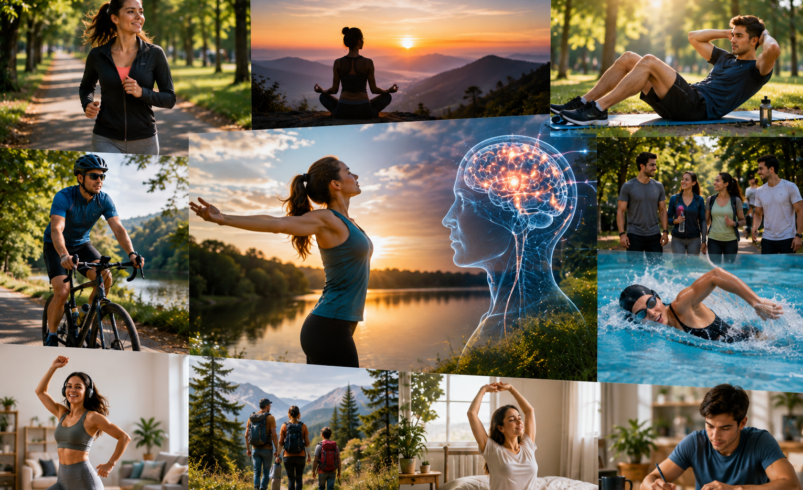
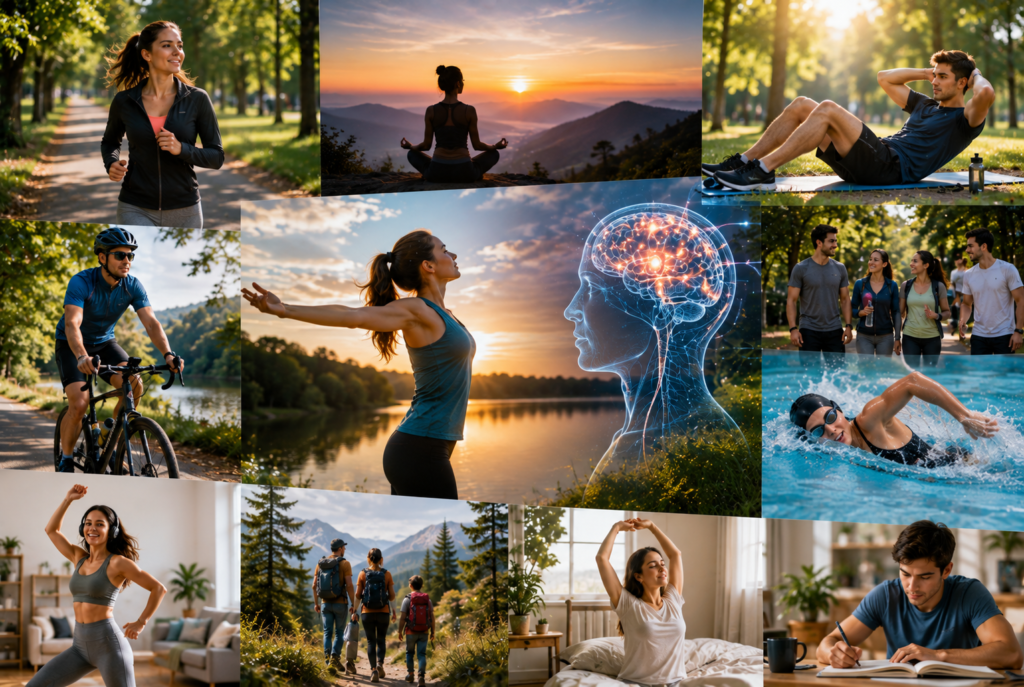
Physical activity can help the body manage stress. Activities such as walking, running, cycling, swimming, and stretching provide an opportunity to release tension and take a break from daily responsibilities.
Supporting a Positive Mood
Exercise can encourage the release of natural chemicals in the brain associated with positive feelings. Even a short period of physical activity can leave people feeling refreshed and more positive.
Improving Sleep Quality
Regular movement can contribute to healthier sleep patterns. People who stay active may find it easier to relax at night and maintain a consistent sleep routine, which is important for emotional well-being.
Boosting Self-Confidence
Reaching small fitness goals can create a sense of achievement. Becoming stronger, improving endurance, or simply maintaining a regular exercise habit can help build confidence and a positive relationship with one’s body.
Improving Focus and Mental Energy
Exercise increases physical activity and can help people feel more alert. Taking movement breaks during the day may also help reduce tiredness and support concentration during work or study.
Building Social Connections
Many forms of exercise provide opportunities to connect with others. Joining a sports team, attending a fitness class, walking with friends, or participating in community activities can reduce feelings of isolation and encourage social interaction.
Creating a Healthy Routine
A consistent exercise routine can provide structure to everyday life. Setting aside time for physical activity encourages people to prioritize self-care and develop other healthy habits.
Enjoying Outdoor Exercise
Outdoor activities such as walking, cycling, hiking, and recreational sports combine physical movement with time in natural surroundings. Spending time outside can provide a refreshing change from indoor environments and busy routines.
Choosing Activities You Enjoy
Exercise does not have to mean intense workouts. Dancing, gardening, swimming, yoga, walking, or playing a favorite sport can all be enjoyable ways to stay active. Choosing activities you like makes it easier to remain consistent.
Starting Small and Staying Consistent
There is no need to make dramatic changes immediately. Beginning with short, manageable sessions and gradually increasing activity can make exercise feel more achievable and sustainable.
“Exercise is not only a workout for the body; it is also a positive investment in a healthier and happier mind.”
Making Movement Part of Everyday Life
Regular physical activity can become a simple but valuable part of a balanced lifestyle. By finding enjoyable ways to move and making them part of everyday routines, people can support both their physical fitness and mental well-being.