
The Benefits of Eating Fresh and Seasonal Foods
- August 20, 2026
- 0
Fresh and Seasonal Foods: Amazing Benefits for Healthy Eating The food we eat plays an important role in supporting overall health and well-being. While modern food systems make


Fresh and Seasonal Foods: Amazing Benefits for Healthy Eating The food we eat plays an important role in supporting overall health and well-being. While modern food systems make
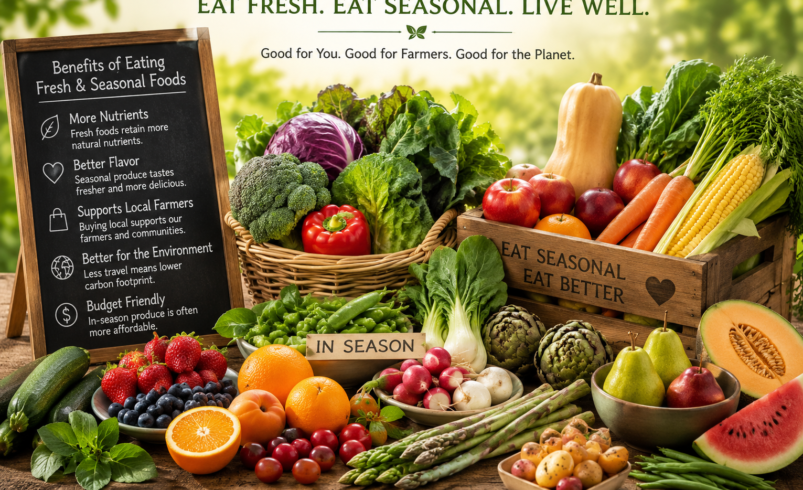
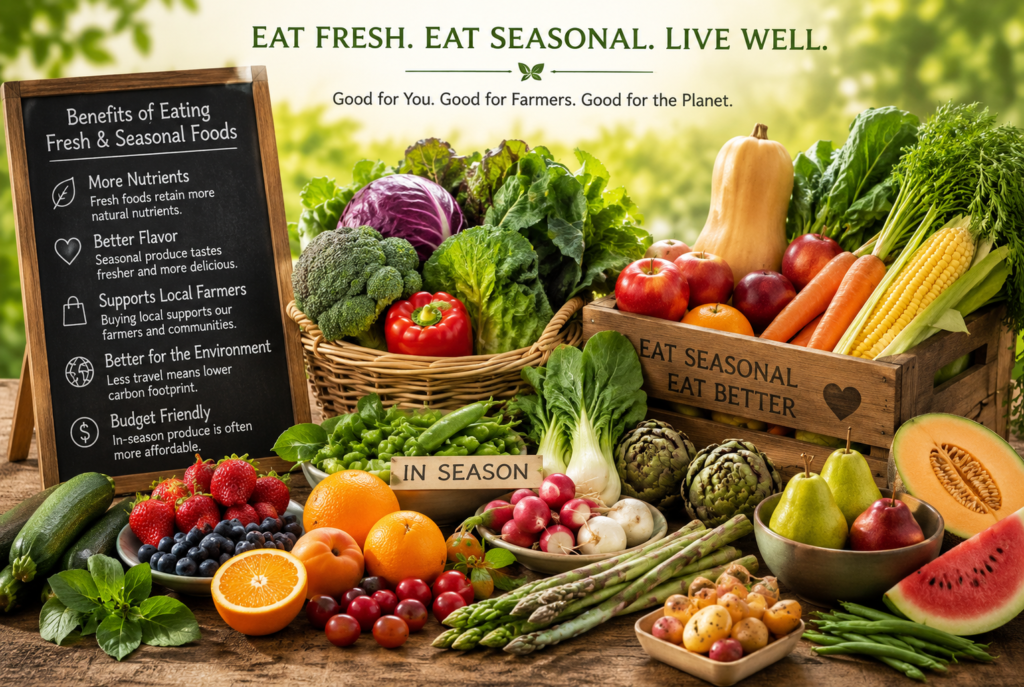
The food we eat plays an important role in supporting overall health and well-being. While modern food systems make it possible to enjoy many foods throughout the year, choosing fresh and seasonal ingredients can offer several advantages. Seasonal fruits and vegetables are often harvested closer to their natural growing period, making them a flavorful and nutritious addition to everyday meals.
From improving meal quality to supporting local farmers and reducing environmental impact, eating fresh and seasonal foods can be a simple step toward a more balanced lifestyle.
“When we eat with the seasons, we reconnect our meals with nature, freshness, and simplicity.”
Fresh foods are generally foods that have undergone minimal processing and are consumed relatively close to when they are harvested, prepared, or produced.
Seasonal foods are fruits, vegetables, herbs, and other ingredients that are naturally available during a particular time of year in a specific region.
Examples may include:
Availability varies depending on climate and location.
Choosing foods that naturally grow during a particular season can make meals more varied throughout the year. Instead of buying the same fruits and vegetables every month, seasonal eating encourages people to explore different ingredients as they become available.
This can make healthy eating more interesting and enjoyable.
Fresh fruits and vegetables are important sources of vitamins, minerals, fiber, and other beneficial plant compounds.
Including a variety of colorful produce in your diet can help you obtain a broad range of nutrients.
Try adding different colors to your plate:
A colorful plate is often a sign that you are including a variety of plant foods.
One of the biggest advantages of seasonal produce is flavor. Fruits and vegetables harvested at the right stage of ripeness can be naturally sweet, juicy, crisp, and flavorful.
When ingredients taste good on their own, you may need fewer heavy sauces or added ingredients to make meals enjoyable.
Fresh produce can add color, texture, aroma, and variety to everyday meals.
A simple salad made with fresh seasonal vegetables can be just as appealing as a complicated dish. Fresh herbs, fruits, and vegetables can also transform familiar recipes.
Different seasons naturally bring different foods to the kitchen. This can encourage people to try ingredients they might otherwise overlook.
During warmer months, you might enjoy:
During cooler months, you might choose:
The exact selection depends on your region.
Buying locally grown seasonal produce can help support farmers and agricultural communities.
Farmers’ markets, community produce stores, and local farms may provide opportunities to purchase food grown closer to where you live.
Purchasing locally can help strengthen regional food businesses and encourage continued agricultural production.
When food is grown closer to consumers, it may travel a shorter distance before reaching the market. Choosing locally available seasonal foods can therefore be one way to make food choices more environmentally conscious.
However, environmental impact depends on many factors, including farming practices, transportation, storage, packaging, and food waste.
Adding more fresh ingredients to your meals can naturally encourage you to rely less on heavily processed foods.
For example, fresh fruit can replace a sugary dessert, while fresh vegetables can become part of a quick lunch or dinner.
This does not mean all processed foods are unhealthy. Many processed foods, such as frozen vegetables, canned beans, and pasteurized dairy products, can also be nutritious and convenient.
When a particular fruit or vegetable is abundant, it may sometimes be more affordable because there is greater local supply.
Buying produce when it is in season can therefore help households make nutritious choices while managing their grocery budget.
Having fresh ingredients available at home can encourage home cooking.
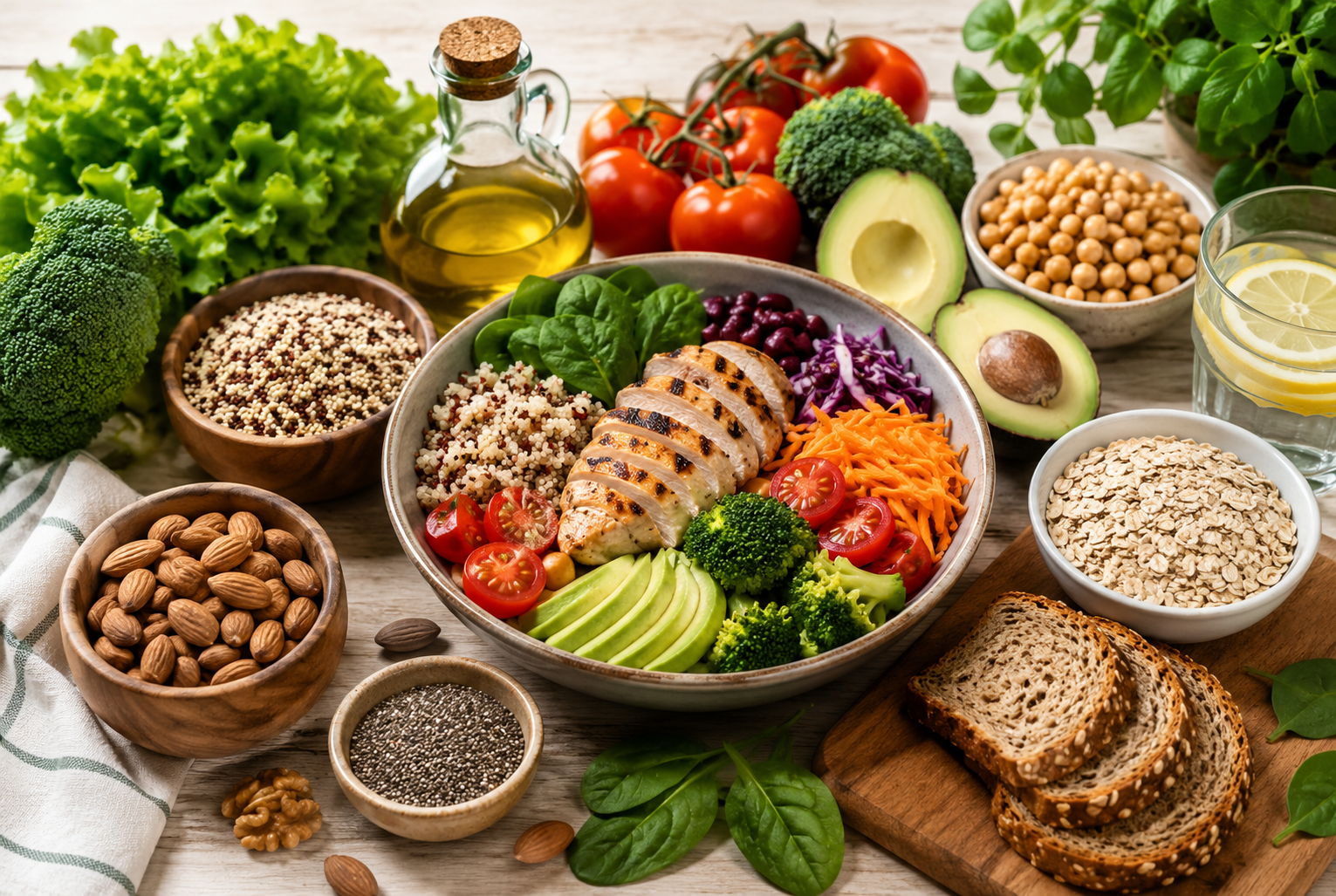
Simple ingredients such as vegetables, fruits, whole grains, beans, eggs, herbs, and lean protein can be combined into nutritious meals without requiring complicated recipes.
Try:
Eating seasonally can create a stronger connection between people and the natural food cycle.
Instead of expecting every ingredient to be available year-round, seasonal eating encourages appreciation for foods when they are naturally abundant.
This can also make certain foods feel more special when they return each year.
You do not need to completely change your diet overnight. Start with small and practical changes.
Explore a farmers’ market or local produce shop and see what fruits and vegetables are currently available.
Instead of choosing recipes first, choose a few seasonal ingredients and build meals around them.
Experimenting with unfamiliar vegetables, fruits, herbs, or grains can make seasonal eating more exciting.
If you purchase a large quantity of seasonal produce, consider freezing, drying, or appropriately preserving foods for later use.
Fresh ingredients often require minimal preparation. A simple combination of vegetables, grains, protein, herbs, and healthy fats can create a satisfying meal.
Fresh produce is an excellent choice, but frozen fruits and vegetables can also be nutritious.
Frozen produce is often harvested and frozen relatively quickly, which can help preserve its nutritional quality. It can also be convenient, affordable, and useful when certain fresh foods are unavailable.
The best choice depends on availability, budget, storage, and personal preference.
Buying fresh foods is only beneficial if they are stored and handled properly.
Wash produce appropriately before eating or preparing it, following food-safety recommendations.
Different fruits and vegetables have different storage requirements. Some should be refrigerated, while others are better stored in a cool, dry location.
Organize your refrigerator and pantry so foods that need to be consumed sooner are easy to see.
Seasonal eating can be even more beneficial when combined with efforts to reduce food waste.
Plan meals before shopping, purchase realistic quantities, and find creative ways to use leftover ingredients.
For example, slightly soft vegetables can be added to soups, while ripe fruits can be used in smoothies.
Not necessarily. Seasonal produce can sometimes be less expensive when it is abundant, although prices vary by region and product.
Eating seasonally does not require buying only local food. You can simply prioritize foods that are naturally abundant in your region and available at reasonable prices.
Not always. Frozen fruits and vegetables can be nutritious and convenient, particularly when fresh produce is unavailable.
Seasonal foods are ingredients that naturally grow and become available during a particular season in a specific region.
Seasonal produce can provide variety, fresh flavor, and valuable nutrients. It may also be more affordable when locally abundant.
Seasonal fruits and vegetables can be an excellent part of a healthy diet. However, overall dietary quality, variety, preparation, and portion sizes are also important.
Yes. Frozen fruits and vegetables can be nutritious and are a convenient alternative when fresh produce is unavailable.
Local farmers’ markets, agricultural organizations, grocery stores, and regional food guides can help you identify seasonal produce in your area.
Eating fresh and seasonal foods is a practical way to bring more variety, flavor, and nutritious ingredients into everyday meals. Fruits, vegetables, herbs, grains, and other seasonal ingredients can inspire simple recipes while helping you explore the natural food cycle.
You do not need to follow a strict seasonal diet to benefit from the approach. Start by choosing more locally available produce, experimenting with new ingredients, planning meals around seasonal foods, and reducing unnecessary food waste.
Small changes in the way you shop and prepare food can make everyday eating more enjoyable while supporting a balanced and sustainable lifestyle.