

12 food you can eat lot of without getting
- December 7, 2025
- 0
12 Foods You Can Eat a Lot of Without Gaining Weight Eating healthy does not always mean eating less. Some foods are naturally low in calories while being


12 Foods You Can Eat a Lot of Without Gaining Weight Eating healthy does not always mean eating less. Some foods are naturally low in calories while being
Eating healthy does not always mean eating less. Some foods are naturally low in calories while being rich in water, fiber, vitamins, and minerals. These foods can help you feel full and satisfied without adding excessive calories to your daily diet. Choosing the right foods can make it easier to manage your weight while still enjoying delicious and nutritious meals.
If you are looking for foods you can eat a lot of without gaining weight, focus on vegetables, fruits, lean protein, and other nutrient-rich options. However, no food can guarantee that you will never gain weight. Portion sizes, cooking methods, toppings, sauces, and your overall calorie intake still matter.
Here are 12 nutritious foods that can be excellent choices when you want filling meals without consuming too many calories.
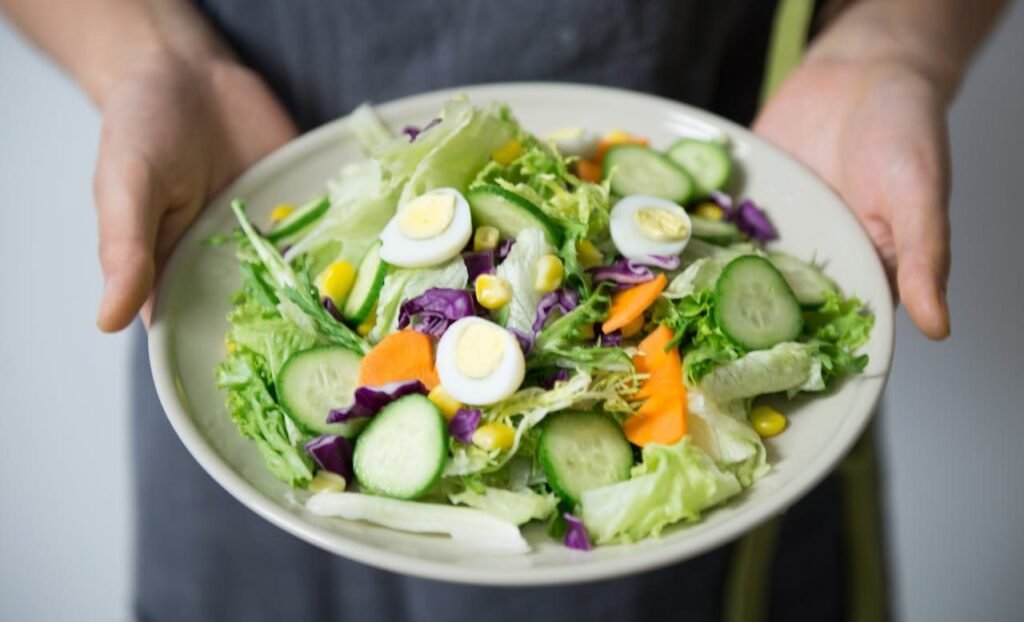
Spinach, lettuce, kale, and other leafy greens are excellent choices for people trying to maintain a healthy weight. They contain plenty of water and fiber while generally being low in calories.
You can add leafy greens to salads, sandwiches, wraps, soups, or smoothies. They also provide important nutrients such as vitamin K, folate, and vitamin C.
Cucumbers contain a high amount of water, making them refreshing and naturally low in calories. They can be a satisfying snack when you want something crunchy without reaching for processed foods.
Try sliced cucumber with a little lemon juice, herbs, or yogurt-based dip. Avoid adding large amounts of high-calorie dressings if weight management is your goal.
Tomatoes are another convenient low-calorie food that can be enjoyed in many ways. They contain water, fiber, vitamins, and antioxidants.
Fresh tomatoes can be added to salads, sandwiches, soups, or homemade meals. They are especially useful for adding flavor and volume to meals without dramatically increasing calorie intake.
Watermelon is naturally sweet and contains a lot of water, making it a refreshing choice during warm weather. Its high water content can contribute to feelings of fullness and hydration.
Although watermelon is relatively low in calories for its volume, it still contains natural sugar. Enjoying reasonable portions is better than treating any fruit as a food that can be eaten without limits.
Strawberries are flavorful, colorful, and relatively low in calories compared with many desserts and processed snacks. They also provide fiber and vitamin C.
Enjoy fresh strawberries on their own, with plain yogurt, or as part of a nutritious breakfast. Choosing whole fruit instead of sugary fruit-based desserts can help reduce unnecessary added sugar.
Oranges are a filling fruit because they contain water and fiber. Eating a whole orange can be more satisfying than drinking orange juice because whole fruit requires chewing and retains its natural fiber.
Keep oranges available as a convenient snack when you want something sweet. They can also be added to fruit salads or enjoyed alongside a balanced breakfast.
Plain air-popped popcorn can be a surprisingly satisfying snack. Because popcorn has considerable volume, a moderate serving can feel larger than many calorie-dense snack foods.
The key is preparation. Large amounts of butter, oil, caramel, cheese, or sugar can quickly increase the calorie content. For a lighter option, use herbs and spices for flavor.
Eggs provide protein and can help make a meal more satisfying. A protein-rich breakfast may help you stay full between meals and reduce the temptation to snack frequently.
Boiled or lightly cooked eggs can be paired with vegetables and whole-grain foods for a balanced meal. Remember that the total calorie content also depends on what you cook or serve with the eggs.
Plain Greek yogurt is a protein-rich option that can work well as a breakfast or snack. Protein can contribute to fullness and makes yogurt more satisfying than many sugary snack foods.
Choose unsweetened varieties and add fresh berries or a small amount of fruit for natural sweetness. Check the nutrition label because flavored yogurts can contain significant amounts of added sugar.
Vegetable-based soups can provide plenty of volume while keeping calories relatively moderate, especially when they are prepared with vegetables, herbs, and a light broth.
A bowl of vegetable soup can be useful before a main meal or as part of lunch. Be careful with cream-based soups, excessive oil, cheese, and other calorie-dense additions.
Zucchini is a versatile vegetable that can be used in many healthy meals. Its water content and relatively low calorie density make it useful when you want to increase the volume of your food.
You can grill, steam, roast, or sauté zucchini with a small amount of oil. It can also be turned into vegetable noodles as an alternative to traditional pasta.
Blueberries, raspberries, and blackberries are nutrient-rich fruits that can add natural sweetness to meals. They provide fiber and beneficial plant compounds while being relatively low in calories.
Add berries to oatmeal, plain yogurt, smoothies, or salads. Eating whole berries rather than heavily sweetened berry products is generally the better choice.
The secret is not simply finding foods you can eat a lot of without gaining weight. Successful weight management comes from building meals that are filling, nutritious, and appropriate for your individual energy needs.
Start by filling a significant portion of your plate with vegetables. Add a source of protein and choose a reasonable serving of whole grains or other carbohydrates. Drinking water throughout the day can also help you distinguish thirst from hunger.
Cooking methods matter too. Steaming, grilling, baking, roasting, and using small amounts of oil can help keep meals lighter than deep-frying. Pay attention to sauces, dressings, cheese, butter, and sugary toppings because small additions can substantially increase calories.
Even healthy foods can contribute to weight gain if you consistently eat more calories than your body uses. Low-calorie foods are helpful because they allow you to enjoy larger portions while consuming fewer calories, but they are not calorie-free.
Instead of completely avoiding foods you enjoy, focus on balance. Build meals around vegetables, fruits, lean proteins, whole grains, and minimally processed foods. This approach can make healthy eating more sustainable.
There are many nutritious foods you can eat a lot of without gaining weight when they are incorporated into a balanced eating pattern. Leafy greens, cucumbers, tomatoes, watermelon, strawberries, oranges, popcorn, eggs, Greek yogurt, vegetable soup, zucchini, and berries can all help create filling and satisfying meals.
The most important factor is your overall diet rather than any single food. Combine nutrient-dense foods with sensible portions, regular physical activity, adequate sleep, and mindful eating habits. With consistent choices, healthy eating can become enjoyable rather than restrictive.