

10 Fruits Rich in Fiber for Better Digestion
- October 24, 2026
- 0
10 Fruits Rich in Fiber for Better Digestion Good digestion is an important part of overall health. A balanced diet that includes fiber-rich fruits can help support regular


10 Fruits Rich in Fiber for Better Digestion Good digestion is an important part of overall health. A balanced diet that includes fiber-rich fruits can help support regular

Good digestion is an important part of overall health. A balanced diet that includes fiber-rich fruits can help support regular bowel movements, maintain digestive health, and make it easier to meet your daily fiber needs. Fruits also provide essential vitamins, minerals, water, and antioxidants.
If you want to improve your eating habits naturally, adding a variety of fresh fruits to your daily diet is a simple place to start. Here are 10 fruits rich in fiber that can help support better digestion.
Dietary fiber is a type of carbohydrate found in plant foods that the body does not fully digest. It helps add bulk to stool, supports regular bowel movements, and can help prevent constipation when consumed with enough fluids.
Some types of fiber also help feed beneficial gut bacteria. Eating a variety of fiber-rich foods, including fruits, vegetables, legumes, and whole grains, supports a balanced diet and digestive health.
According to the US National Institute of Diabetes and Digestive and Kidney Diseases, adults generally need around 22–34 grams of fiber daily, depending on age and sex. Individual requirements may vary. Source: NIDDK

Guava is one of the best fruit choices for increasing your fiber intake. This tropical fruit is widely available in India and provides vitamin C along with dietary fiber.
How it supports digestion:
How to eat it: Enjoy a washed, fresh guava as a snack. Eating the edible skin can contribute additional fiber.
Pears are a convenient, naturally sweet fruit that provides a good amount of fiber. A medium pear with its skin contains approximately 5.5 grams of fiber, although the exact amount varies with size and variety.
How they support digestion:
How to eat them: Wash a pear thoroughly and eat it with the skin. Add sliced pear to oatmeal or a fruit bowl for breakfast.
Apples are easy to carry, widely available, and simple to include in everyday meals. A medium apple with its skin contains approximately 4.5 grams of fiber.
Apples contain both soluble and insoluble fiber. Soluble fiber can help form a gel during digestion, while insoluble fiber contributes to stool bulk.
How they support digestion:
How to eat them: Choose a whole apple rather than apple juice. Wash it well and keep the skin on when practical.
Raspberries are particularly rich in fiber compared with many common fruits. One cup provides approximately 8 grams of fiber, making them a useful addition to a fiber-rich diet.
How they support digestion:
How to eat them: Enjoy fresh or frozen raspberries with plain yogurt, oatmeal, or a homemade smoothie. Choose unsweetened varieties when buying frozen fruit.
Although many people think of avocado as a vegetable, it is botanically a fruit. It provides dietary fiber and predominantly unsaturated fats.
How it supports digestion:
How to eat it: Add sliced avocado to whole-grain toast, salads, or sandwiches. Because avocado is energy-dense, choose a portion that suits your dietary needs.
Bananas are an affordable and convenient fruit that can be eaten at home, at work, or while travelling. A medium banana contains approximately 3 grams of fiber.
Bananas also provide potassium and vitamin B6. Their texture and ripeness may influence how well they suit an individual’s digestive comfort.
How they support digestion:
How to eat them: Eat a whole banana or combine it with oats and nuts for a more filling breakfast.
Oranges are known for their vitamin C content, but they also provide dietary fiber and water. A medium orange contains approximately 3 grams of fiber.
How they support digestion:
How to eat them: Eat the whole orange, including its edible pulp, instead of relying only on orange juice. Juice generally contains much less fiber than the whole fruit.
Kiwi is a nutrient-rich fruit that provides fiber, vitamin C, and other plant compounds. It can be a useful addition to a varied diet, and research has also examined kiwi’s potential role in supporting bowel regularity.
How it supports digestion:
How to eat it: Cut a kiwi in half and scoop out the flesh, or peel and slice it. Combine it with other fruits for a refreshing snack.
Papaya is a popular tropical fruit in India. It contains water, dietary fiber, vitamin C, and carotenoids. Its soft texture makes it easy to add to breakfast or a light snack.
How it supports digestion:
How to eat it: Enjoy ripe papaya in cubes, add it to a fruit bowl, or serve it alongside breakfast. Choose fresh fruit without added sugar.
Blackberries are another berry with a high fiber content. One cup provides approximately 7.6 grams of fiber, though the amount varies by serving size and variety.
How they support digestion:
How to eat them: Add blackberries to oatmeal, plain yogurt, or a homemade fruit salad. Fresh or unsweetened frozen berries are both useful options.
The values below are approximate and depend on fruit size, variety, and serving weight.
| Fruit | Typical serving | Approximate fiber |
|---|---|---|
| Guava | 1 cup | 8–9 g |
| Pear | 1 medium | 5.5 g |
| Apple with skin | 1 medium | 4.5 g |
| Raspberries | 1 cup | 8 g |
| Avocado | ½ medium | 6–7 g |
| Banana | 1 medium | 3 g |
| Orange | 1 medium | 3 g |
| Kiwi | 2 medium | Around 4 g |
| Papaya | 1 cup | 2.5 g |
| Blackberries | 1 cup | 7.6 g |
Nutrition values are estimates compiled from nutrition references and may differ between varieties and serving sizes. Berry values are based on common raw-fruit portions. Source: Mayo Clinic
Eating a variety of fruits is more useful than depending on only one fruit. These simple habits can help you increase your fiber intake comfortably.
Choose whole fruits more often than juice. Juicing removes much of the fiber found in the original fruit, particularly when the pulp is discarded.
When appropriate, eat fruits such as apples and pears with their washed skins. The skin can contribute to the total fiber content.
If your current diet is low in fiber, add more slowly. Increasing it too quickly may cause gas, bloating, or abdominal discomfort.
Fluids help fiber work effectively and can help keep stools softer. Your fluid needs depend on your health, activity level, and climate.
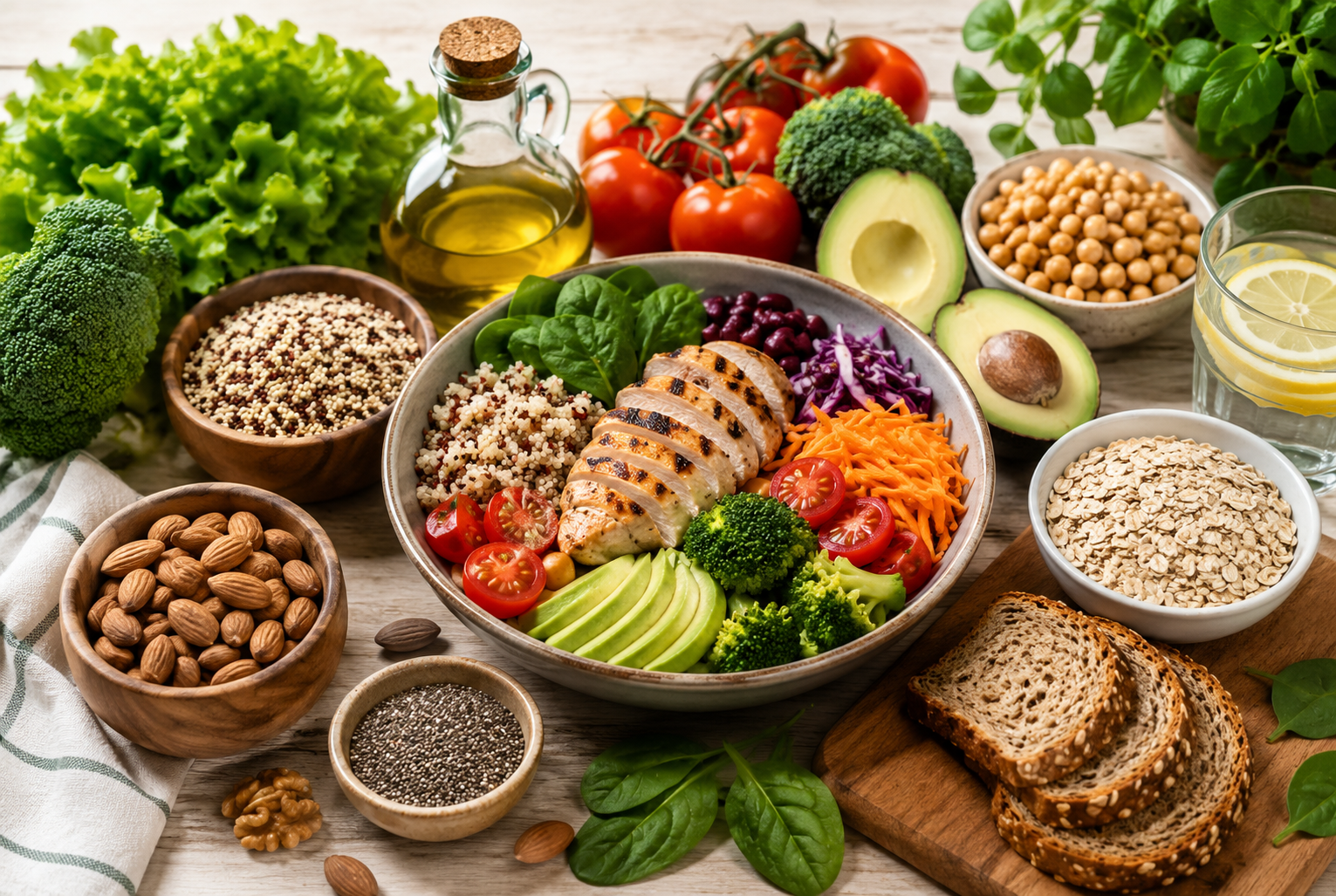
Include vegetables, beans, lentils, oats, nuts, seeds, and whole grains in your meals. A varied diet can help you reach your daily fiber needs.
You do not need to eat all 10 fruits every day. Select seasonal and affordable options that you enjoy, and rotate them throughout the week.
Fiber is beneficial for many people, but suddenly eating much more may cause discomfort. If you have a digestive condition, persistent bloating, or a medical reason to follow a specific diet, ask a healthcare professional about the right amount and type of fiber for you.
Seek medical advice if constipation continues despite dietary changes or if you experience severe abdominal pain, vomiting, blood in your stool, or unexplained weight loss.
Adding fiber-rich fruits to your everyday meals is a simple way to support better digestion. Guava, pears, apples, raspberries, avocado, bananas, oranges, kiwi, papaya, and blackberries all provide fiber alongside valuable nutrients.
For the best results, eat whole fruits, increase fiber gradually, drink enough water, and combine fruit with vegetables, whole grains, and legumes. Consistent, balanced eating habits are more important than relying on a single fruit to improve digestion.
Guava, raspberries, blackberries, pears, and apples are useful high-fiber choices. The best option depends on your preferences, portion size, and digestive tolerance.
Fiber-rich fruits may help prevent or relieve constipation as part of a balanced diet, particularly when you drink enough fluids. Persistent constipation should be discussed with a healthcare professional.
Whole fruit is generally the better choice for fiber because juicing often removes much of the pulp. Eating whole fruit also makes it easier to consume fiber naturally.
For most people, including a variety of fruits daily can contribute to a healthy, balanced diet. Combine fruit with vegetables, whole grains, and other nutritious foods.
Yes. Increasing fiber too quickly can cause gas, bloating, or cramps. Increase your intake gradually and drink enough water.
Many adults need approximately 22–34 grams daily, depending on age and sex. Individual needs may vary, so follow advice from a qualified healthcare professional if you have specific dietary requirements.
Disclaimer: This article is for general educational purposes and is not a substitute for personalized medical advice.