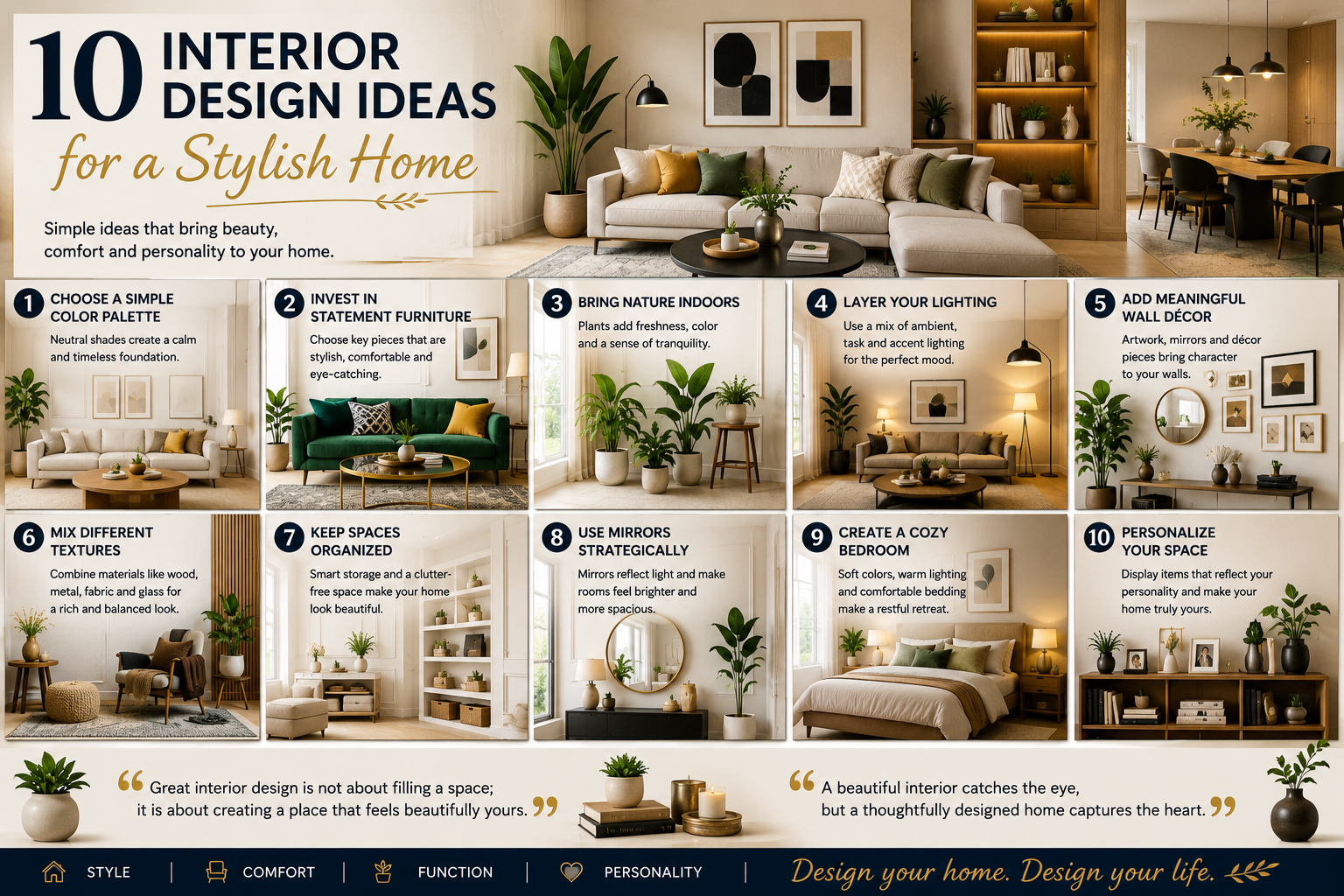
Latest Home Design Trends 2026 Home design in 2026 is moving beyond appearance alone. Homeowners are looking for spaces that feel comfortable, reflect their personalities, support everyday routines,
Latest Home Design Trends 2026
Home design in 2026 is moving beyond appearance alone. Homeowners are looking for spaces that feel comfortable, reflect their personalities, support everyday routines, and make better use of available space. From natural materials and warm colours to smart technology and wellness-focused interiors, modern homes are becoming more practical and personal.
The latest home design trends in 2026 combine visual appeal with comfort, functionality, and thoughtful details. Whether you are planning a new home, renovating a room, or making small changes to your interiors, these ideas can help you create a space that feels fresh and welcoming.
1. Warm and Earthy Colour Palettes
Cool, all-white interiors are making room for warmer and more inviting colour combinations. Shades such as terracotta, olive green, warm beige, muted brown, and soft ochre can create a relaxed atmosphere.
These colours work well in living rooms, bedrooms, dining areas, and even kitchens. You can introduce them through wall paint, furniture, curtains, rugs, or decorative accessories.
Ideas to try:
Use warm beige or cream as a base colour.
Add terracotta or olive green through cushions and décor.
Combine earthy colours with natural wood.
Use darker shades in small areas for contrast.
The key is to choose a palette that suits your home’s lighting and existing furniture.
2. Natural Materials and Organic Textures
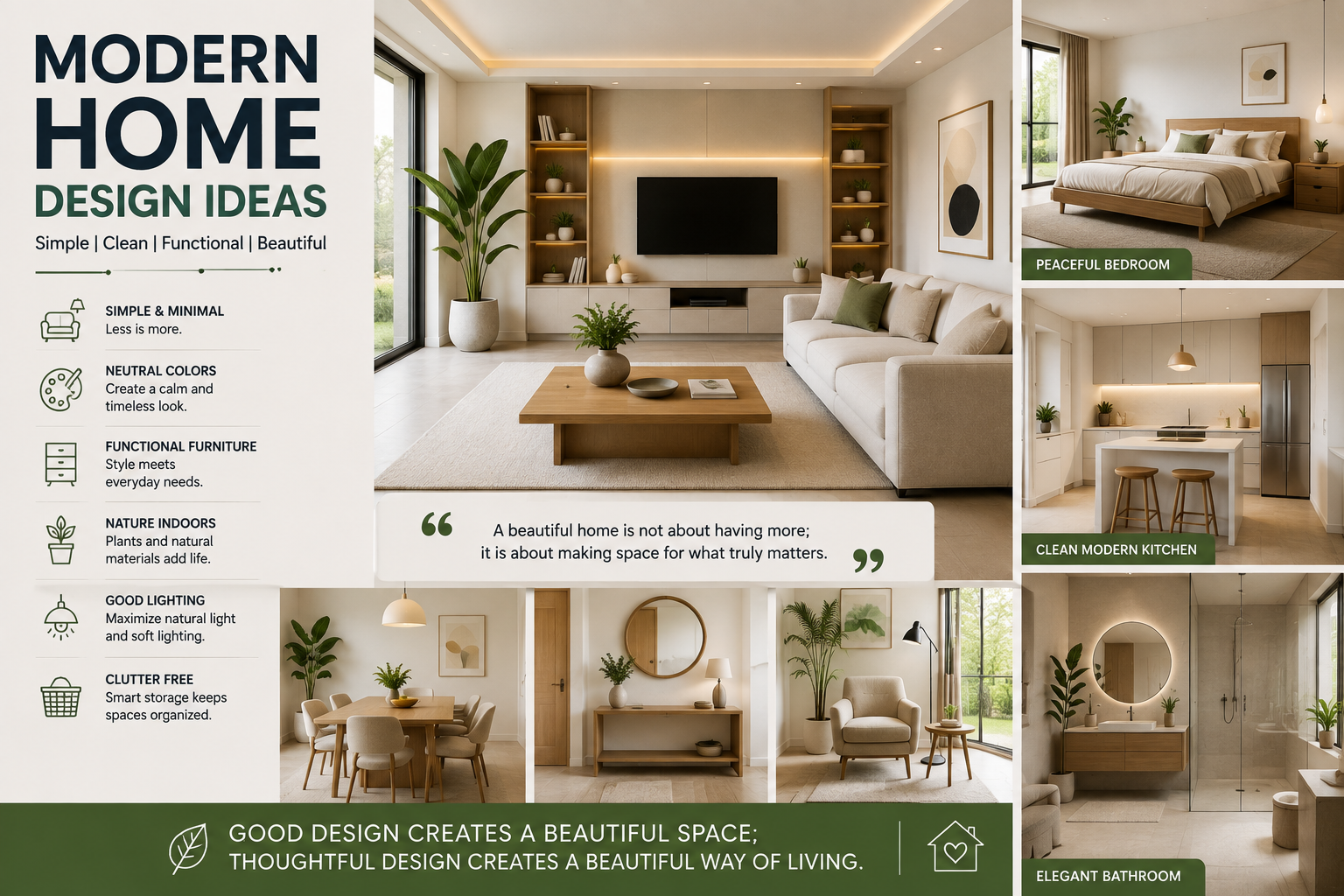
Natural materials continue to influence home interiors in 2026. Wood, stone, linen, cotton, rattan, and handmade finishes can add warmth and texture to a room.
Instead of relying on perfectly matching surfaces, homeowners are combining different materials to create spaces that feel more individual and lived-in. Natural textures can also help soften modern designs that might otherwise feel too plain.
Ways to include natural materials:
Add wooden furniture or shelves.
Choose linen or cotton curtains.
Use stone or textured finishes for selected surfaces.
Include woven baskets, rugs, or lampshades.
Bring in indoor plants where suitable.
Choose materials based on durability, maintenance, climate, and budget.
3. Personalised and Character-Filled Interiors
One notable direction in 2026 is a move towards homes that tell a personal story rather than following one strict design style. Family photographs, travel souvenirs, inherited furniture, artwork, and handmade objects can make a space feel unique.
Instead of purchasing every item at once, homeowners can gradually build interiors around pieces they genuinely enjoy.
Simple ways to personalise your home:
Create a gallery wall with photographs and artwork.
Display meaningful travel souvenirs.
Mix old furniture with contemporary pieces.
Use handmade décor or locally crafted items.
Choose colours and patterns that reflect your taste.
The aim is to create a balanced space that feels personal without becoming cluttered.
4. Comfortable and Curved Furniture
Comfort is becoming an important part of furniture design. Sofas, chairs, and tables with softer shapes can make interiors feel more relaxed and welcoming.
Curved sofas, rounded coffee tables, and circular mirrors can also introduce visual movement into rooms with many straight lines.
When choosing furniture, consider comfort, room size, and how people move through the space. A beautiful piece should still be practical for everyday use.
Design ideas:
Choose a comfortable sofa with supportive seating.
Add a rounded coffee table to soften a living room.
Use curved accent chairs in reading corners.
Avoid oversized furniture in small rooms.
Comfort-focused interiors are among the themes highlighted in 2026 design outlooks.
5. Multifunctional Spaces and Flexible Layouts
Many homes need to support several activities, including working, studying, relaxing, and entertaining. Flexible layouts help make better use of available space, particularly in apartments and smaller homes.
A spare bedroom can include a compact work area, while a living room can have a reading corner or foldable furniture for occasional use.
Practical ideas include:
Use a foldable desk for a home office.
Choose storage beds or benches.
Add movable partitions where privacy is needed.
Use extendable dining tables.
Create defined zones with rugs and lighting.
The goal is to make rooms adaptable without filling them with unnecessary furniture.
6. Smart Home Technology
Smart home technology is becoming part of modern home planning. Connected lighting, smart locks, thermostats, security cameras, and voice-controlled devices can make selected daily tasks more convenient.
For example, smart lighting can be scheduled to turn on at specific times, while compatible security systems may allow homeowners to check their property remotely.
However, technology should make life simpler rather than create unnecessary complexity.
Smart home features to consider:
App-controlled lighting
Smart door locks
Energy-monitoring devices
Connected security systems
Voice-controlled assistants
Before installing smart devices, check compatibility, privacy settings, internet requirements, and ongoing costs.
7. Wellness-Focused Home Design
Homeowners are giving more attention to how their surroundings affect everyday comfort and well-being. This includes natural light, ventilation, quiet areas, comfortable furniture, and spaces for rest.
A wellness-focused home does not need a dedicated luxury room. Small design choices can make a difference to how a space is used.
Ideas for a wellness-friendly home:
Maximise natural light where possible.
Keep rooms well ventilated.
Create a quiet reading or relaxation corner.
Choose comfortable bedding and seating.
Add plants suitable for indoor conditions.
Reduce unnecessary clutter.
Wellness and livability are recurring themes in 2026 home design coverage.
8. Statement Ceilings and Creative Wall Details
Ceilings and walls are receiving more attention as design features. Instead of treating them only as plain backgrounds, homeowners are using colour, texture, lighting, wallpaper, and decorative finishes to add character.
A statement ceiling can make a room feel distinctive, while a textured accent wall can create a focal point without changing the entire interior.
Design options include:
Painting the ceiling in a complementary colour.
Adding subtle wall panelling.
Using textured paint or wallpaper.
Installing layered ceiling lighting.
Creating a feature wall with artwork or decorative finishes.
For smaller rooms, use strong patterns or dark colours selectively to avoid making the space feel crowded.
9. Sustainable and Long-Lasting Design Choices
Sustainability in home design is not limited to using eco-friendly products. It can also mean choosing durable materials, repairing existing furniture, reducing waste, and selecting designs that will remain useful over time.
Rather than replacing everything to follow a trend, homeowners can update selected elements while keeping well-made furniture and finishes.
Sustainable design ideas:
Reuse or restore suitable furniture.
Choose durable materials.
Use energy-efficient lighting.
Consider locally made products.
Select timeless finishes for expensive, permanent features.
Avoid unnecessary renovation waste.
The best choices depend on material sourcing, product quality, maintenance, and local availability.
10. Indoor-Outdoor Living
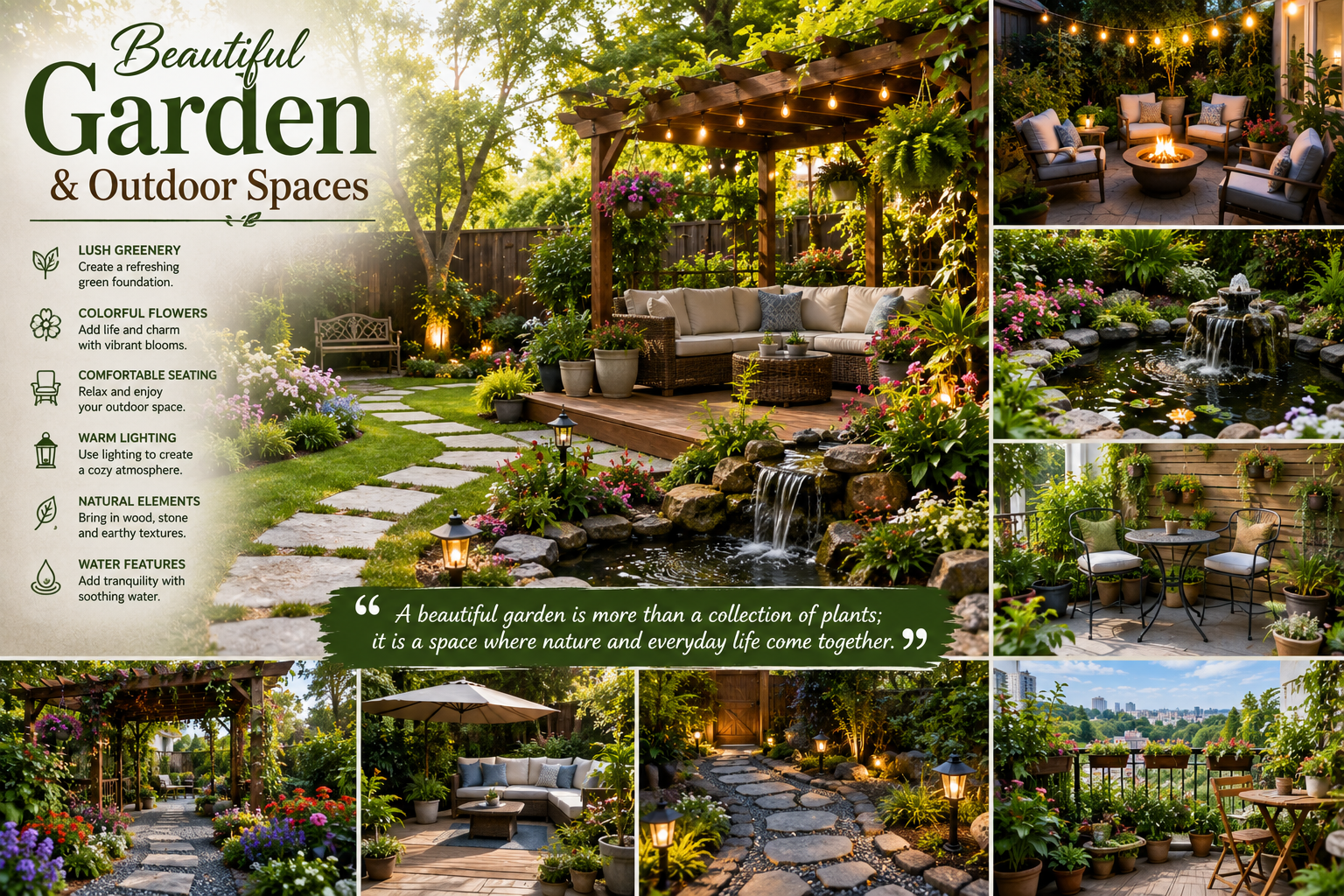
Connecting indoor spaces with outdoor areas can make a home feel more open and refreshing. This approach works with balconies, patios, courtyards, verandas, and garden spaces.
Large windows, indoor plants, natural textures, and comfortable outdoor seating can help create a visual connection between the home and its surroundings.
Ways to bring the trend into your home:
Add plants near windows or balconies.
Use natural materials in indoor and outdoor spaces.
Create a small balcony seating area.
Choose outdoor furniture suited to local weather.
Keep pathways and openings clear to improve movement.
Even homes without gardens can create a nature-inspired atmosphere through plants, daylight, and natural textures.
How to Follow Home Design Trends Without Overspending
You do not need a complete renovation to update your home. Small, carefully selected changes can refresh a room while keeping your budget under control.
Consider these practical steps:
Start with one room: Choose the space that needs the most improvement.
Set a realistic budget: Include materials, labour, delivery, and installation.
Keep useful furniture: Repaint, repair, or reupholster pieces where practical.
Update smaller details: Try new cushions, curtains, lighting, or wall décor.
Prioritise function: Make sure each change improves how you use the space.
Avoid copying every trend: Choose ideas that suit your lifestyle and home.
Plan permanent changes carefully: Flooring, electrical work, and structural modifications may need professional advice.
Conclusion
The latest home design trends in 2026 focus on creating spaces that are comfortable, functional, expressive, and connected to everyday life. Warm colour palettes, natural materials, personalised décor, flexible layouts, smart technology, and wellness-focused features are among the ideas shaping modern interiors.
You do not need to adopt every trend to create a beautiful home. Choose the elements that match your needs, available space, and budget. A thoughtful combination of comfort, practicality, and personal style can help make your home feel welcoming for years to come.