Mobile apps have become an important part of everyday life. Whether we are communicating with friends, ordering food, managing finances, learning new skills, working remotely, or finding our
Mobile apps have become an important part of everyday life. Whether we are communicating with friends, ordering food, managing finances, learning new skills, working remotely, or finding our way around a new city, there is often an app designed to make the task easier.
The rapid growth of smartphones has turned mobile applications into powerful tools that connect people with information, services, businesses, and entertainment at almost any time.
“Mobile apps have transformed the smartphone from a communication device into an everyday digital companion.”
The Rise of Mobile Applications
Mobile applications were once relatively simple programs with limited functions. Today, they support complex activities and services used by millions of people.
Apps have become popular because they offer convenience, personalization, and quick access to digital services.
Why People Rely on Apps
Mobile apps can help users:
Complete tasks quickly
Access services from anywhere
Receive real-time information
Personalize their digital experience
Communicate instantly
Automate everyday activities
This convenience has changed expectations about how people interact with businesses and services.
Mobile Apps Are Transforming Communication
Communication has perhaps experienced one of the biggest changes.
Instead of relying only on traditional phone calls and SMS, people can now communicate through messaging platforms, social networks, video calls, and collaboration applications.
Staying Connected
Mobile apps allow people to:
Send instant messages
Make video calls
Share photos and videos
Create group conversations
Share documents
Communicate across countries
Geographical distance has become less of a barrier to everyday communication.
Mobile Apps and Social Media
Social media apps have changed how people create, share, and consume information.
A New Way to Share Experiences
Users can instantly share:
Photos
Short videos
Stories
Opinions
Live updates
Creative content
Social media has also created new opportunities for businesses, influencers, artists, and content creators to reach audiences.
Mobile Apps Are Changing Shopping
Shopping has become increasingly mobile.
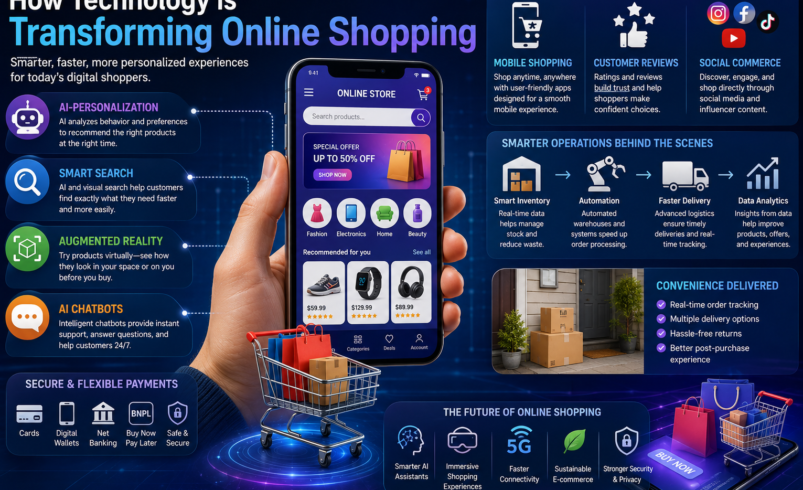
Customers can discover products, compare prices, read reviews, place orders, and track deliveries without visiting a physical store.
Mobile Commerce
Shopping apps provide features such as:
Personalized recommendations
Digital payments
Wishlist management
Order tracking
Product reviews
Special offers
This has made shopping more convenient while changing how businesses interact with customers.
Mobile Banking and Digital Payments
Financial services have become much more accessible through mobile applications.
Users can often manage many everyday financial activities through banking and payment apps.
Everyday Financial Tasks
Depending on the service, users may be able to:
Check account balances
Transfer money
Pay bills
Make digital payments
Monitor transactions
Manage investments
Receive financial notifications
Mobile banking has reduced the need to visit physical branches for many routine tasks.
Apps Are Transforming Transportation
Transportation apps have changed the way people travel and navigate.
Easier Navigation
Navigation applications can provide:
Turn-by-turn directions
Traffic information
Estimated arrival times
Alternative routes
Public transportation information
Location sharing
Ride-Hailing Services
Ride-hailing apps allow users to request transportation, track drivers, estimate fares, and make payments through their smartphones.
These services have made transportation more accessible in many locations.
Food Delivery and Everyday Convenience
Food delivery applications have changed how people order meals.
Instead of calling a restaurant, customers can browse menus, customize orders, make payments, and track deliveries through an app.
More Choice for Customers
Food apps can also help users discover new restaurants and compare different options based on ratings, prices, cuisine, and delivery times.
Mobile Apps and Healthcare
Healthcare applications are creating new ways for people to manage certain aspects of their health and communicate with healthcare providers.
Digital Healthcare Services
Depending on the application, users may be able to:
Schedule appointments
Access health records
Receive reminders
Track fitness activities
Monitor selected health measurements
Communicate with healthcare professionals
Mobile technology can make some healthcare services more convenient, although professional medical advice remains important for health decisions.
Mobile Learning and Education
Education is no longer limited to classrooms and textbooks.
Learning apps allow people to access educational content from smartphones and tablets.
Learn Anywhere
Students and lifelong learners can use apps for:
Language learning
Online courses
Exam preparation
Skill development
Digital libraries
Educational videos
Practice exercises
This flexibility allows people to learn according to their own schedules.
Mobile Apps Are Changing the Workplace
Workplace applications have become increasingly important as remote and hybrid work become more common.
Working From Anywhere
Mobile apps can help professionals:
Attend virtual meetings
Communicate with colleagues
Manage projects
Share files
Track tasks
Check work updates
Respond to customers
Employees can remain connected even when they are away from traditional office environments.
Entertainment Is Now Mobile
Mobile apps have made entertainment more portable than ever.
Users can stream music, watch videos, play games, read books, and follow live content directly from their smartphones.
Personalized Entertainment
Many entertainment platforms use algorithms to recommend content based on user activity and preferences.
This creates highly personalized experiences.
Mobile Apps and Fitness
Fitness apps have encouraged many people to monitor their physical activities and develop healthier routines.
Tracking Everyday Activities
Depending on the app and device, users can track:
Steps
Exercise sessions
Running distances
Workout routines
Sleep patterns
Nutrition information
Wearable devices can also connect with mobile apps to provide additional information.
Smart Homes and Connected Devices
Mobile apps are increasingly becoming control centers for connected devices.
Controlling Your Home
Depending on the system, users can control:
Smart lights
Security cameras
Door locks
Thermostats
Home appliances
Entertainment systems
This integration allows people to manage different aspects of their homes remotely.
Mobile Apps and Travel
Travel planning has become easier with mobile applications.
Travelers can use apps to search for destinations, book accommodation, find restaurants, navigate cities, and manage travel documents.
A Digital Travel Companion
A smartphone can provide:
Maps
Booking information
Translation tools
Currency conversion
Weather information
Local recommendations
Digital tickets
This reduces the need to carry multiple physical documents and guides.
Apps Are Changing How Businesses Operate
Mobile apps are not only changing consumer behavior. They are also transforming business operations.
Companies can use apps to manage:
Customer relationships
Sales
Inventory
Employee communication
Marketing
Payments
Service requests
Mobile technology allows businesses to respond faster and maintain stronger connections with customers.
The Role of Artificial Intelligence in Mobile Apps
AI is becoming increasingly integrated into mobile applications.
Smarter App Experiences
AI can help apps provide:
Personalized recommendations
Voice recognition
Automated customer support
Predictive suggestions
Image recognition
Language translation
Intelligent search
As AI technology improves, mobile apps may become more capable of understanding user needs and responding to them naturally.
Challenges of Mobile Apps
Despite their many advantages, mobile applications also create challenges.
Privacy Concerns
Apps may request access to personal information, location, contacts, cameras, microphones, or other device features. Users should review permissions carefully.
Security Risks
Poorly secured applications can expose users to cybersecurity threats. Keeping apps and operating systems updated is an important security practice.
Screen Time
Constant access to apps can encourage excessive smartphone use. Taking regular breaks and setting healthy boundaries can help maintain balance.
Information Overload
Notifications from multiple apps can become distracting and make it harder to focus.
How to Use Mobile Apps More Effectively
Mobile apps can be extremely useful when used intentionally.
Keep Only Useful Apps
Remove applications that you rarely use or that create unnecessary distractions.
Manage Notifications
Turn off notifications that are not important. This can reduce interruptions throughout the day.
Protect Your Accounts
Use strong passwords and multi-factor authentication when available.
Review App Permissions
Only provide permissions that are necessary for the app’s intended function.
The Future of Mobile Apps
The future of mobile applications will likely involve deeper integration with AI, augmented reality, wearable devices, and connected technologies.
More Intelligent Experiences
Apps may become better at understanding context and providing useful assistance without requiring users to navigate multiple menus.
Greater Integration
Mobile apps may increasingly work together with smart homes, vehicles, watches, glasses, and other connected devices.
Final Thoughts
Mobile apps have changed the way people communicate, shop, work, learn, travel, manage finances, access services, and entertain themselves.
Their greatest impact comes from convenience. Tasks that once required a visit to a store, bank, office, or service center can often be completed within minutes from a smartphone.
As mobile technology continues to evolve, apps are likely to become even more intelligent and connected. The key will be using these tools thoughtfully—taking advantage of their convenience while protecting privacy, maintaining security, and creating a healthy balance between digital and offline life.