

How to Build a Successful Startup
- August 10, 2026
- 0
10 Powerful Steps to Build a Successful Startup Building a successful startup takes more than a great idea. It requires careful planning, customer understanding, consistent execution, and the


10 Powerful Steps to Build a Successful Startup Building a successful startup takes more than a great idea. It requires careful planning, customer understanding, consistent execution, and the

Building a successful startup takes more than a great idea. It requires careful planning, customer understanding, consistent execution, and the ability to adapt. Many successful businesses begin with a simple solution to a real problem and grow gradually through hard work and smart decisions.
The strongest startup ideas often solve genuine problems. Look for challenges people experience in their daily lives or businesses, and think about how your product or service can provide a better, faster, easier, or more affordable solution.
Understanding your customers is essential. Learn who they are, what they need, what they currently use, and what frustrates them. Customer feedback can help you create an offering that people actually want.
Before launching, study your industry and competitors. Identify existing solutions, pricing, customer expectations, and market opportunities. Good research can help you discover ways to differentiate your startup.
A business plan gives your startup direction. Define your product or service, target audience, pricing strategy, marketing approach, estimated costs, and short-term and long-term goals.
You don’t need to create a perfect product immediately. Develop a simple version that solves the core problem and allows you to test your idea with real customers. Use their feedback to make improvements.
Cash flow is critical for a startup. Track expenses, avoid unnecessary spending, set realistic budgets, and understand how much money is needed to operate and grow the business.
Your brand should communicate what your startup stands for. A memorable name, professional visual identity, clear message, and consistent customer experience can help your business stand out in a competitive market.
A strong online presence can help startups reach customers efficiently. Consider social media, search engine optimization, content marketing, email campaigns, online advertising, and a professional website based on your target audience.
A successful startup rarely depends on one person alone. Bring together people with complementary skills in areas such as technology, marketing, sales, finance, operations, and customer service.
Satisfied customers can become one of your startup’s strongest growth channels. Provide reliable products, respond to questions quickly, listen to feedback, and continuously improve the customer experience.
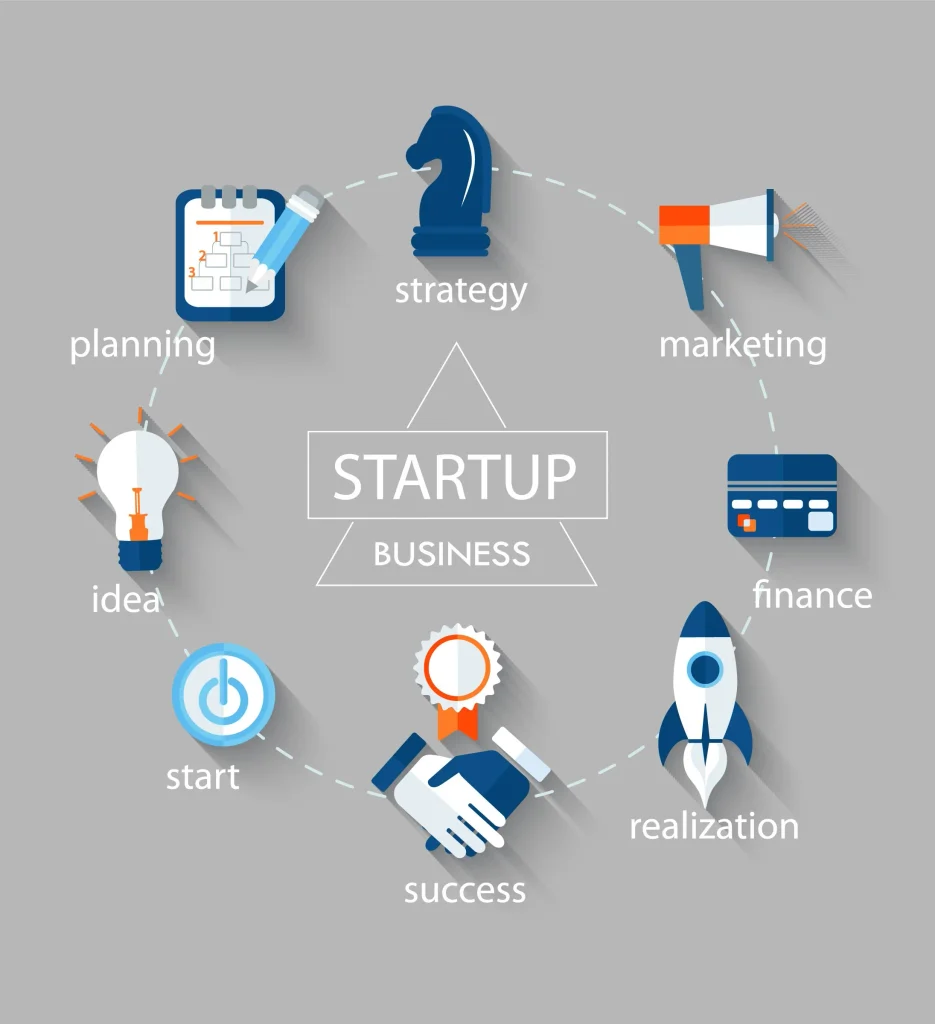
Use meaningful business metrics to understand how your startup is performing. Monitor sales, customer acquisition, retention, website activity, expenses, and other indicators that help you make informed decisions.
Markets change, customer expectations evolve, and some ideas may not work as planned. Successful entrepreneurs learn from mistakes and adjust their strategies when necessary.
Rapid growth is exciting, but sustainable growth is often more valuable. Build reliable systems, maintain product quality, control costs, and develop strong customer relationships as your business expands.
Not every experiment will succeed. A failed campaign, product feature, or business approach can provide valuable information. Treat setbacks as opportunities to learn, improve, and make better decisions.
A successful startup is not created overnight. It takes patience, continuous learning, customer trust, and consistent effort. Focus on creating real value rather than chasing quick results.
“A successful startup begins with a great idea, but it grows through execution, persistence, and the ability to learn.”
The best time to build a startup is when you are prepared to take action. Start by identifying a problem, researching the market, testing your solution, and listening carefully to customers. Small steps taken consistently can eventually turn an idea into a successful business.