The Power of Fresh Food: Building a Healthy Lifestyle One Meal at a Time
January 29, 2025
0
Food plays an important role in our everyday lives. It provides energy, supports growth, strengthens the immune system, and keeps both the body and mind healthy. While fast
Food plays an important role in our everyday lives. It provides energy, supports growth, strengthens the immune system, and keeps both the body and mind healthy. While fast food and processed snacks are convenient, making fresh and nutritious meals a regular part of your routine can have a lasting positive impact on your overall well-being.
Eat Fresh, Feel Better
Fresh foods are packed with essential vitamins, minerals, and antioxidants that help your body function at its best. Fruits, vegetables, whole grains, lean proteins, and healthy fats provide the nutrients needed for strong bones, healthy skin, better digestion, and improved energy levels.
Choosing fresh ingredients over processed foods also reduces your intake of artificial additives, excess sugar, and unhealthy fats.
Healthy food isn’t about restriction—it’s about giving your body the nourishment it deserves every single day
Build a Colorful Plate
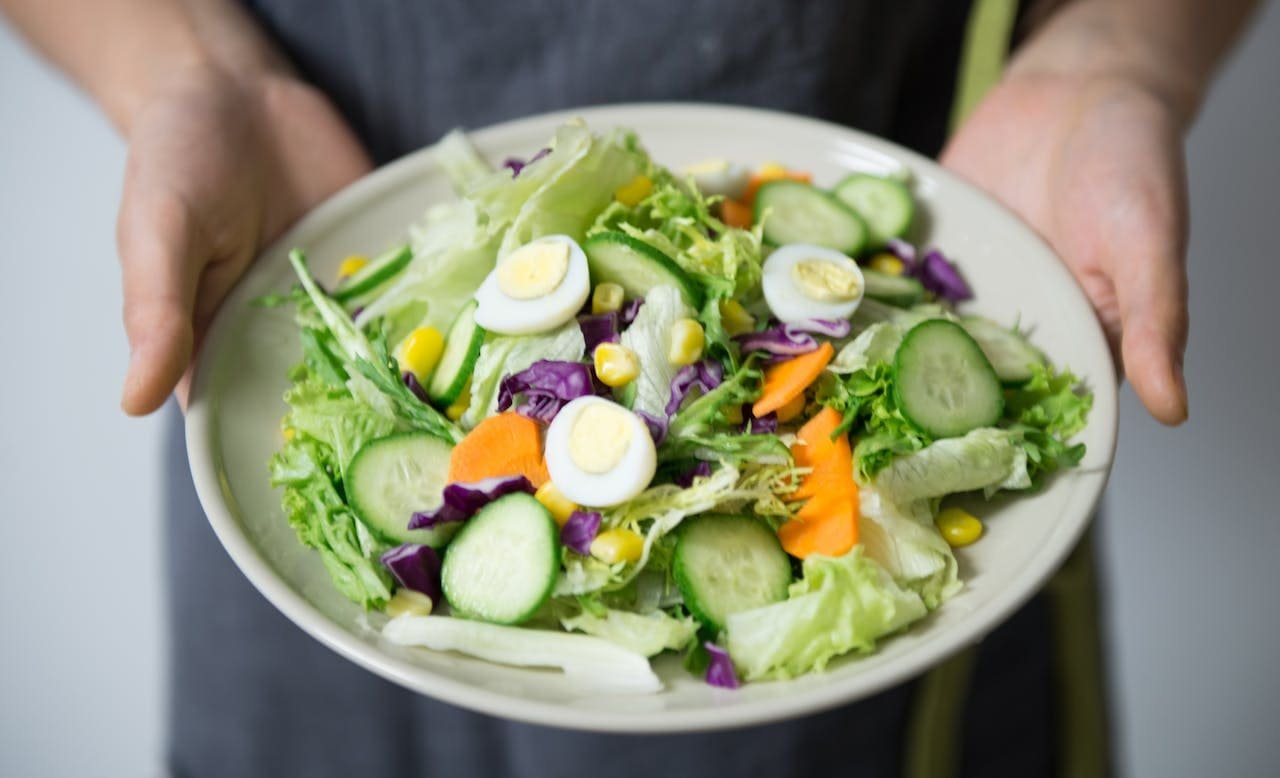
A colorful plate isn’t just beautiful—it also provides a variety of nutrients. Different colored fruits and vegetables contain unique vitamins and antioxidants that support overall health.
Some great choices include:
Green vegetables like spinach, broccoli, and beans
Orange vegetables such as carrots and pumpkins
Red fruits like strawberries, tomatoes, and apples
Purple foods including grapes and eggplants
Yellow fruits like mangoes, bananas, and pineapples
Eating a variety of colors helps your body receive a wide range of essential nutrients.
The Benefits of Home Cooking
Preparing meals at home gives you complete control over what goes into your food. You can use fresh ingredients, healthier cooking methods, and balanced portions while avoiding excessive salt, sugar, and unhealthy oils commonly found in restaurant meals.
Home-cooked meals also bring families together and encourage healthier eating habits for children and adults alike.
Every healthy meal is a step toward a stronger, happier, and more vibrant life.
Choose Smart Carbohydrates
Not all carbohydrates are unhealthy. Whole grains such as brown rice, oats, quinoa, and whole wheat bread provide long-lasting energy and are rich in fiber. These foods help regulate blood sugar levels and keep you feeling full for longer.
Replacing refined grains with whole grains is a simple step toward better nutrition.
Don’t Forget Healthy Proteins
Protein helps repair muscles, supports growth, and keeps you satisfied after meals. Excellent protein sources include:
Eggs
Fish
Chicken
Lentils
Beans
Tofu
Nuts and seeds
Including protein in every meal helps maintain energy and supports an active lifestyle.
Healthy Eating on a Budget
Nutritious food doesn’t have to be expensive. Buying seasonal fruits and vegetables, cooking at home, planning weekly meals, and purchasing grains and legumes in bulk can help you save money while eating well.
Simple homemade dishes often cost less than takeout while offering better nutrition.
Practice Portion Control
Eating healthy isn’t only about choosing the right foods—it’s also about eating the right amount. Enjoy balanced portions, eat slowly, and stop when you feel comfortably full. This approach supports healthy weight management without feeling deprived.
Make Healthy Eating a Daily Habit
Healthy eating is built through small, consistent choices. Drink enough water, include vegetables in every meal, reduce sugary drinks, and enjoy occasional treats in moderation. These habits become easier over time and lead to lasting health benefits.
Conclusion
A healthy lifestyle starts in the kitchen. By choosing fresh ingredients, preparing balanced meals, and developing mindful eating habits, you can improve your physical health, increase your energy, and enjoy food without guilt. Every healthy meal is a step toward a stronger, happier, and more vibrant life.